The formulas of your favorite creams and serums are changing right now, and not just for marketing reasons. Two European regulations, one on allergens and the other on packaging, are reshaping the behind-the-scenes of cosmetics. These technical constraints are pushing brands to rethink their ingredients, their packaging, and how they communicate about the naturalness of their products.
Allergens in cosmetics: what the new European list changes
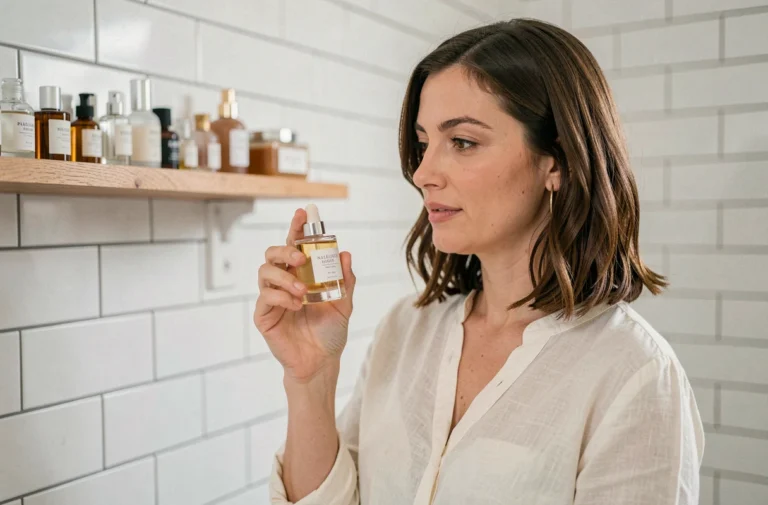
Have you noticed the small print on your perfume bottles or moisturizing creams? The list of allergens that must be declared on cosmetic products sold in Europe has just been significantly expanded.
Specifically, the declaration threshold is set at 0.001% in leave-on products and 0.01% in rinse-off products. At these concentrations, compounds naturally present in key oils, botanical extracts, or plant-derived fragrances become subject to mandatory labeling.
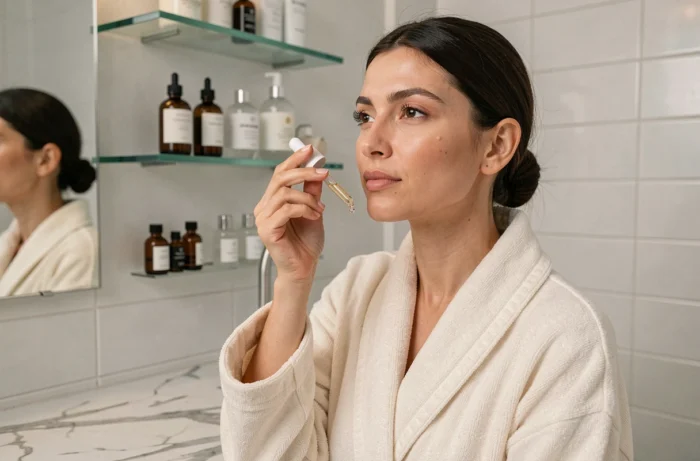
For brands that build their identity around naturalness, this is a technical paradox. A serum with key oils of lavender or rose, perceived as gentle and natural, can now display a long list of allergens on its packaging. Consumers may confuse regulatory transparency with product danger.
New products launched on the market must already comply with these rules. Existing products benefit from a grace period until July 31, 2028, allowing formulators time to rework certain compositions. Several laboratories choose to reformulate rather than extend the list of allergens on the label, even if it means slightly altering the scent profile of a product. Following the news on Cosmétiques Beauté helps understand how these regulatory adjustments translate into daily life for consumers.
PPWR Regulation and cosmetic packaging: new eco-design obligations
The Regulation (EU) 2025/40 on packaging and packaging waste, known as PPWR, will be applicable from August 12, 2026. It directly concerns the cosmetic sector, a major user of plastic, tinted glass, and excessive packaging.
Less material, more recyclability
The text imposes harmonized requirements at the European level. Among them are the minimization of packaging, minimum recycled content targets, and restrictions on certain formats deemed unnecessary.
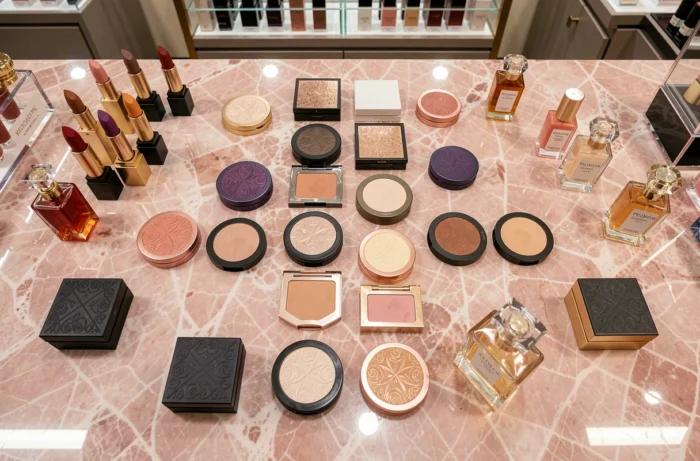
In practice, this means that the triple-walled bottle of a high-end serum or the cardboard box of a perfume will need to be rethought. Eco-design becomes a legal constraint, not a marketing argument.
What this changes for brands
Recent winners of the Victoires de la Beauté already illustrate this shift. Several of them have presented refillable packaging, bottles made from post-consumer recycled plastic, or mono-material containers that are easier to sort. Packaging is no longer just a container: it becomes a field of innovation in its own right.
For small brands, the transition represents a significant cost. Finding a supplier capable of producing compliant bottles in small batches remains a logistical challenge. Large houses, on the other hand, integrate these constraints from the product development phase.
Upcycled cosmetic ingredients: formulation from by-products
Upcycling ingredients is no longer just a niche argument. French and European brands are now incorporating active ingredients derived from agricultural or industrial by-products into their formulas.
Some concrete examples of this approach include:
- Antioxidant extracts derived from grape pomace, residues from winemaking, used in anti-aging serums
- Vegetable oils obtained from fruit seeds processed by the food industry, valued in balms and creams
- Moisturizing actives derived from juice or pulp production residues, integrated into dry skin care products
The interest in upcycling goes beyond ecological discourse. These by-products often contain high concentrations of polyphenols, fatty acids, or vitamins, precisely because they come from parts that are usually discarded (skins, pits, stems). The performance of the product aligns with the logic of waste reduction.

Clean beauty and the credibility of cosmetic brands: beyond the label
“Clean beauty” has established itself as a basic expectation among a large portion of consumers. However, the term does not correspond to any regulatory definition. Any brand can claim it without external verification.
This ambiguity creates a credibility problem. The most informed consumers are beginning to distinguish brands that publish their composition analyses, independent certifications, or supply chain audits from those that are content with a green logo on the packaging.
Several concrete trends are emerging in this area:
- Investment in controlled supply chains, where the brand masters the traceability of its ingredients from cultivation to formulation
- Use of third-party laboratories to validate the absence of contaminants, published transparently
- The rise of dermocosmetics, which combines clinical data with its claims, rather than simple storytelling
Credibility is gradually replacing influence as a purchasing driver. A dermatologist’s opinion or a published clinical test carries more weight than a recommendation on social media, especially for facial care and anti-aging products.
The cosmetic sector is going through a phase where European regulation dictates the pace of innovation, sometimes more than consumer trends. Brands that anticipate these constraints by reformulating their products, rethinking their packaging, and documenting their supply chains gain a competitive edge over those that wait until the deadline to react.