
When suffering from tinnitus or hearing loss, the temptation is strong to turn to a dietary supplement like Audistim. The product promises daily auditory support, but its regulatory status and the lack of solid clinical evidence warrant a pause before any prolonged use.
Audistim and regulatory status: what the packaging doesn’t say loudly enough
On the product sheets for Audistim (Day/Night range, Balance, Protec), a mention is systematically included: dietary supplement, not a medicine. The difference is not cosmetic. A medicine undergoes controlled clinical trials before receiving market authorization. A dietary supplement, on the other hand, falls under a much less demanding framework.
In practice, this means that Audistim has never proven its effectiveness on tinnitus or hearing loss in a randomized placebo-controlled trial. The sheets also remind that the product “cannot in any case replace a varied diet and a healthy lifestyle.”
One might think this is a standard legal formula. It is, but it points to a specific fact: no therapeutic claims are legally permitted for this type of product. If a website or retailer presents Audistim as a treatment for tinnitus, it exceeds the regulatory framework.
To better understand the possible dangers with Audistim, one must start from this gap between perceived promise and the actual status of the product.
Tinnitus and dietary supplements: why no oral treatment has proven effective
The issue is not limited to Audistim. A recent analysis of the state of research on drug treatments for tinnitus shows that no medication is currently approved specifically for treating tinnitus. Candidates that reached phase 2 of controlled clinical trials have all failed on their primary efficacy endpoint.
If even molecules developed by pharmaceutical companies have failed to demonstrate a measurable clinical benefit, it is hard to see how a dietary supplement based on plants or vitamins could succeed. Feedback on this point varies: some users report subjective well-being, while others report no change.
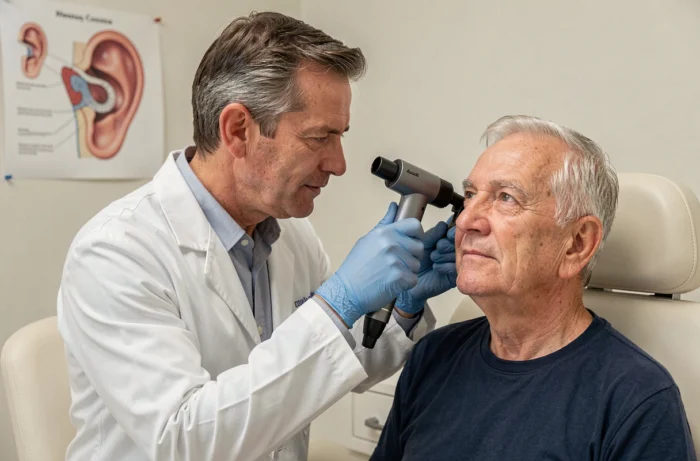
This gap between expectation and reality creates a concrete risk. A person relying on Audistim for their tinnitus may delay a consultation with an ENT specialist, while some tinnitus signals an underlying pathology that requires prompt diagnosis.
Placebo effect and subjective perception
It is known that the perception of tinnitus is strongly linked to stress and psychological state. A supplement that contains plants associated with relaxation may alter the perception of the symptom without addressing the cause. The improvement felt does not mean a measurable auditory improvement.
This is a nuance that online reviews almost never make. A positive testimonial on a forum does not replace an audiometry test before and after.
Drug interactions and side effects: the blind spots of Audistim
Dietary supplements are not inert. They contain active ingredients that can interact with ongoing treatments. However, individuals seeking auditory support often take other medications, especially among seniors.
- Some plant components alter the absorption or metabolism of common medications (anticoagulants, antihypertensives), which can reduce their effectiveness or amplify their side effects.
- Simultaneous intake of multiple dietary supplements increases the risk of vitamin or mineral overdose, with possible renal or hepatic consequences.
- Ototoxic medications (certain antibiotics, diuretics, anti-inflammatories) can worsen hearing loss, and a supplement will not compensate for this effect.
The reflex to adopt remains simple: inform your doctor or pharmacist about taking Audistim, especially if other treatments are ongoing. Just because a product is sold over the counter does not mean it is without consequences.

Hearing loss and prevention: what really works on a daily basis
The sensory cells of the inner ear do not regenerate. Once destroyed by excessive sound exposure or aging, they are lost. No dietary supplement can reverse this biological process.
The preventive measures whose effectiveness is documented are based on simple principles:
- Limit prolonged exposure above the sound risk threshold, especially with headphones or in a noisy work environment.
- Wear appropriate hearing protection during concerts, festivals, or work.
- Consult an ENT specialist as soon as auditory symptoms appear (tinnitus, feeling of blocked ear, difficulty following a conversation in noise).
- Have your hearing checked regularly, especially after the age of fifty.
These measures are not sold in a box, but they constitute the only validated approach to preserve auditory health.
Hearing aids: the real solution when loss is established
When hearing loss is confirmed by an audiogram, hearing aids remain the most effective response. Their technology has significantly advanced, with discreet and connected models. Reimbursement by health insurance and mutuals makes fitting more accessible than often believed.
Relying on a dietary supplement in hopes of avoiding or delaying fitting is to approach the problem backward. An ENT assessment directs you to the solution suited to the actual situation, not to a marketing promise.
The market for hearing supplements benefits from a real therapeutic void: tinnitus remains difficult to treat, and age-related hearing loss has no curative treatment. In this context, Audistim meets a legitimate demand, but without a guarantee of proven effectiveness. Before opening a box, opening a medical file with a specialist remains the most protective step for your ears.