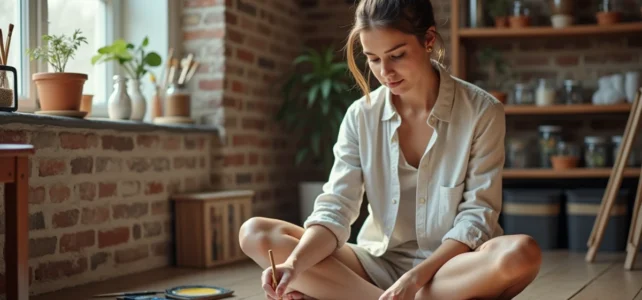
A Saturday afternoon without plans, a weekday evening when fatigue prevents going out but boredom looms: we all know this floating moment. The question is not to fill every free slot with a spectacular activity. The real challenge is to find hobbies that are sustainable, that fit one’s pace and budget.
Free time and real constraints: starting from what we have on hand
Before making a list of activities, it’s helpful to establish three concrete parameters: the available time slot (thirty minutes on Tuesday evening or an entire Sunday), the actual budget (zero euros or a few dozen per month), and the accessible space (an apartment, a park, a nearby community hall).
We often underestimate short formats. Cooking a new dish in forty minutes, drawing during a lunch break, or walking for half an hour in an unfamiliar neighborhood: the most regular hobbies are those that require little logistics. If an activity demands an hour of transport or expensive equipment, we end up postponing it indefinitely.
To explore concrete ideas categorized by theme, one can browse hobbies on 1 Blog 1 Day and identify what fits current constraints.
Creative and manual activities: learning without breaking the bank
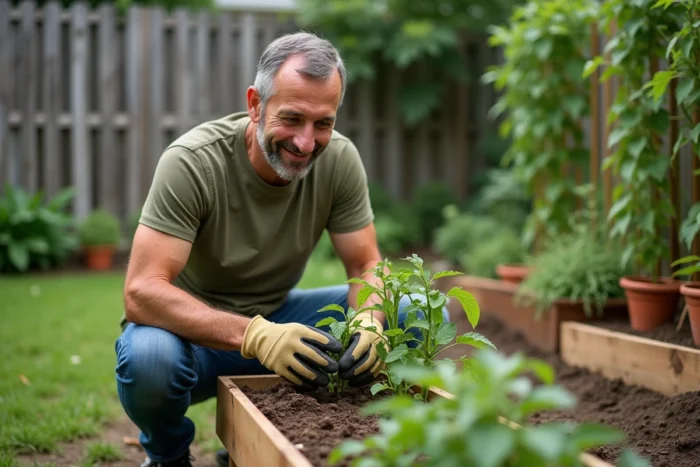
The classic reflex is to enroll in a structured course. It’s effective, but not always compatible with a variable schedule. More flexible alternatives exist and require minimal initial investment.
- Watercolor or pencil drawing: a pad, a few tubes of paint, and free online tutorials are enough to progress week after week. You can practice at a corner of the table in thirty minutes.
- Sewing or knitting: repurposing old clothes into something new provides a concrete goal. Several associations offer workshops at a pay-what-you-can rate on weekends.
- Writing: keeping a daily journal, writing short stories, or participating in online writing challenges. No materials required, just a pen or a keyboard.
- Creative cooking: setting a weekly challenge (an unknown ingredient, a recipe from another country) turns a chore into an exploration moment.
The common point of these activities: they generate a visible result. You can see your progress, share what you create, and satisfaction comes quickly. Feedback on this varies by person, but regularity matters more than initial talent.
Accessible sports hobbies: moving without a premium subscription
The commercial sports leisure sector has seen double-digit growth in recent years. Behind this dynamism lies an offer that has significantly expanded, well beyond the traditional gym.
However, free or low-cost options remain the most sustainable. Fast walking, running, cycling on municipal bike paths, or home yoga with videos cost nothing or almost nothing. These are activities that can fit into any time slot, without reservation.
In Île-de-France, local initiatives offer free sports and cultural villages during the summer, with supervised activities open to all audiences. Other communities implement similar seasonal formats without prior registration. These local offers are worth monitoring as they change every year.
For those looking for a social dimension, collective leisure sports (volleyball, badminton, five-a-side football) through sports meeting platforms allow joining a group without an annual commitment. You pay your share for the field rental, and that’s it.
Cultural outings and local experiences without blowing the budget
Visiting a museum or attending a live show doesn’t necessarily mean spending a lot. Several concrete options work well in practice.
On the first Sundays of the month, many national museums open their doors for free. Municipal libraries lend much more than books: board games, musical instruments, e-readers, and even tickets for shows in some cities. The library remains the most underutilized leisure space in France.
For reading enthusiasts, the digital book market continues to grow, and digital loans through libraries avoid the need for systematic purchases. Regarding outings, free outdoor events (local festivals, farmers’ markets, outdoor screenings) multiply between May and September.
A simple habit that changes the perception of free time: blocking a fixed slot each week for an outing, even modest. A coffee in a neighborhood you don’t frequent, a guided walk by a local association, a visit to an artisan’s workshop. The novelty of the place matters as much as the activity itself.
Shared family hobbies: going beyond the “occupy the kids” logic
Hybrid formats that combine play, learning, and shared time are strongly developing. We no longer simply seek to occupy the kids while adults do something else: the goal is to engage together in an activity that interests everyone.
Here are some formats that work well on the ground:
- Treasure hunts or geocaching outdoors: free, adaptable to all ages, and it gets everyone moving without anyone realizing it.
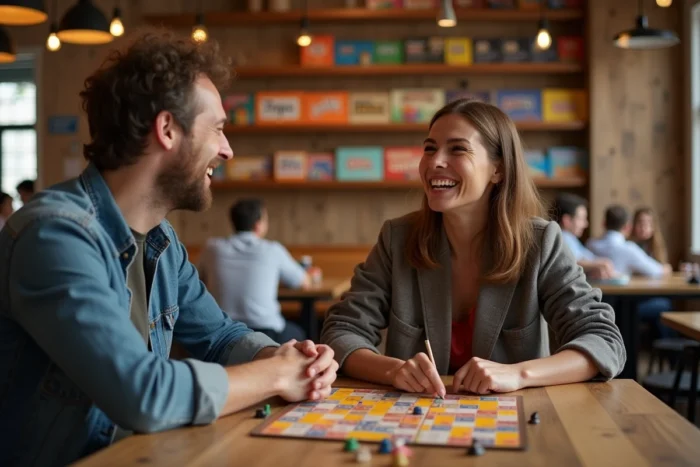
- Modern board games (especially cooperative ones): a game lasts between thirty minutes and an hour, and the materials can be borrowed or bought second-hand.
- Gardening projects, even on a balcony: planting herbs or cherry tomatoes with children creates a follow-up over several weeks.
- Cooking workshops with four hands: choosing a recipe together, dividing tasks, eating the result. Simple and concrete.
For outdoor activities, some practices now involve safety constraints to check in advance, especially for water sports or outings in natural environments (weather conditions, appropriate equipment, shelter distances). It’s best to inquire with your local town hall or tourist offices before getting started.
Free time doesn’t need to be spectacular to be satisfying. An activity practiced regularly, adapted to one’s means and current energy, ultimately structures the week as much as work does. The hardest part isn’t finding what to do; it’s sticking to it for three weeks in a row.